Your Computing power of the first moon landing images are available in this site. Computing power of the first moon landing are a topic that is being searched for and liked by netizens today. You can Download the Computing power of the first moon landing files here. Download all free vectors.
If you’re searching for computing power of the first moon landing pictures information linked to the computing power of the first moon landing topic, you have pay a visit to the ideal blog. Our site frequently provides you with hints for seeing the maximum quality video and picture content, please kindly search and find more informative video articles and graphics that fit your interests.
Computing Power Of The First Moon Landing. Many people who are old enough to have experienced the first moon landing will vividly remember what it was like watching Neil Armstrong utter his famous quote. The AGC has a 16-bit word length with 15 data bits and one parity bit. The AGC or Apollo Guidance Computer. The AGC provided computation and electronic interfaces for guidance navigation and control of the spacecraft.
 Crazy Funny Pictures Moon Landing Apollo Missions Space Exploration From cz.pinterest.com
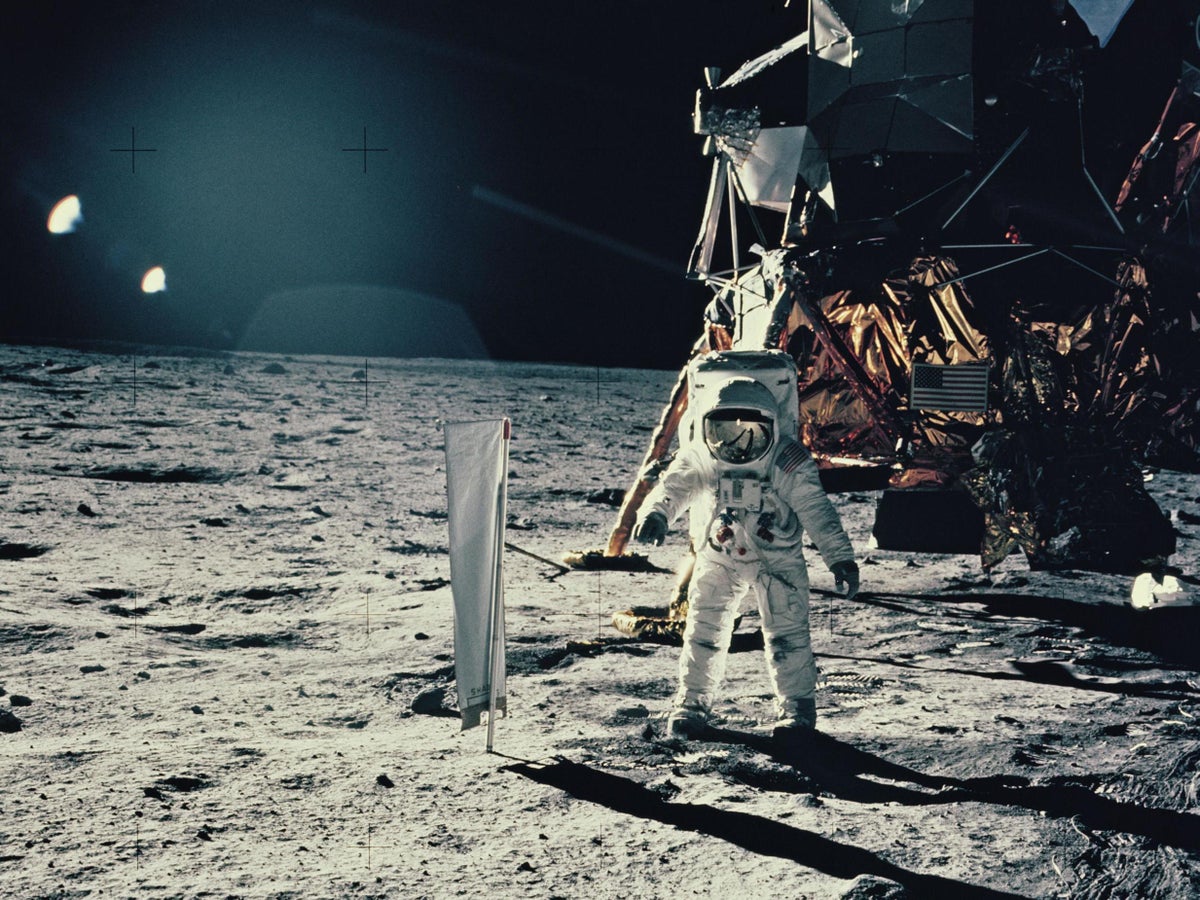
Thats one small step for a man one giant leap for mankind. From the first steps to the leap forward Mashable is commemorating the 50th anniversary of the moon landing with a series. While an iPhone does have more computing power than all of NASA had during the Apollo days the AGC designed at the MIT Instrumentation Laboratory had one crucial advantage. It was actually two men and a computer. Apollo 11 needed a separate module to get Armstrong and Aldrin onto the surface of the moon and back to the command module helmed by Collins. Comparing the Apollo Guidance Computer AGC to an IBM PC XT.
With the 50th anniversary of the Apollo 11 mission looming you should be more impressed.
The first moon landing in 1969 by Apollo 11 was one small step for man one giant leap for mankind and a pole vault achievement for technological achievement. The AGC provided computation and electronic interfaces for guidance navigation and control of the spacecraft. On July 20 1969 millions of people received an inspirational jolt from watching two brave astronauts take humankinds first steps on the moon. With less computing power than a washing machine. IPhone could handle 120 million moon missions at once. Apollo 11 needed a separate module to get Armstrong and Aldrin onto the surface of the moon and back to the command module helmed by Collins.
 Source: pinterest.com
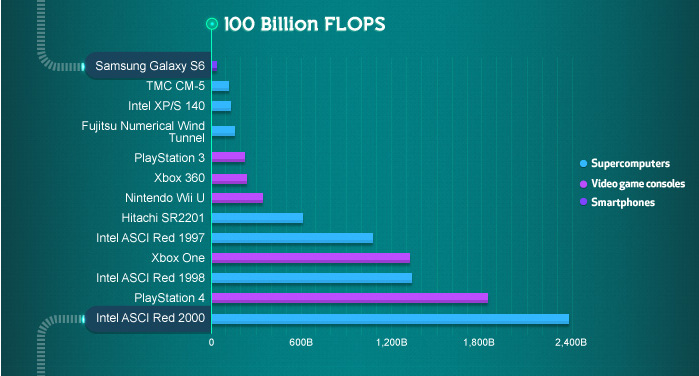
Visualizing the Trillion-Fold Increase in Computing Power. Besides AGC thousands of flight technicians and computer. A computer system known as the Apollo Guidance Computer AGC was created at the Massachusetts Institute of Technology and allowed the astronauts to control the. So let us end by acknowledging what it took to land people on the moon in 1969 with the limited computing power that was available at the. On the other hand the on board computers for Apollo were crafted to.
 Source: visualcapitalist.com
But in Houston mission controllers. The processor on the Apollo 11 computer. The AGC has a 16-bit word length with 15 data bits and one parity bit. It was actually two men and a computer. A 1024MHz processor with 2KB of RAM compares so poorly to the power inside a modern computer that it becomes ridiculous.
 Source: pinterest.com
On the other hand the on board computers for Apollo were crafted to. Rightly so those astronauts Neil Armstrong and Buzz Aldrin are now household names to many however their Apollo Guidance Computer. The AGC provided computation and electronic interfaces for guidance navigation and control of the spacecraft. A 1024MHz processor with 2KB of RAM compares so poorly to the power inside a modern computer that it becomes ridiculous. Half a century later the event is still one of the top achievements of humankind.
 Source: pinterest.com
A pocket calculator or even a USB-C charger has more computing power than the best computers used to send astronauts to the moon. A 1024MHz processor with 2KB of RAM compares so poorly to the power inside a modern computer that it becomes ridiculous. Visualizing the Trillion-Fold Increase in Computing Power. With the 50th anniversary of the Apollo 11 mission looming you should be more impressed. An iPhone makes the computer that sent astronauts to the moon look bad but the team at NASA still did it.
 Source: uk.pinterest.com
A 1024MHz processor with 2KB of RAM compares so poorly to the power inside a modern computer that it becomes ridiculous. Visualizing the Trillion-Fold Increase in Computing Power. A Saturn V rocket blasts off from the Kennedy Space Centre on 16 July 1969 carrying Apollo 11. Fifty years ago this week on July 20 1969 the Apollo Lunar Module Eagle landed on the surface of the moon at the culmination of the Apollo 11 mission and human beings first set foot on the planets only natural satellite. The computer which landed Apollo 11 on the Moon was about as powerful as a contemporary pocket calculator Mar 27 2017 Domagoj Valjak Technology is developing faster than ever before and with the emergence of the newest generation of smartphones and the state-of-the-art microprocessors everyone can have a supercomputer in their pocket.
 Source: pinterest.com
Did you know that the 8088 which formed the basis for the IBM PC released in 1981 just a decade after Apollo 11s trip to the Moon had eight times more memory than Apollos Guidance Computer 16k vs the Apollos 2k. The computer which landed Apollo 11 on the Moon was about as powerful as a contemporary pocket calculator Mar 27 2017 Domagoj Valjak Technology is developing faster than ever before and with the emergence of the newest generation of smartphones and the state-of-the-art microprocessors everyone can have a supercomputer in their pocket. The technological feat that enabled Neil Armstrong and Buzz Aldrin to bounce around the Sea of Tranquility was the Apollo Guidance Computer or. Fifty years ago this week on July 20 1969 the Apollo Lunar Module Eagle landed on the surface of the moon at the culmination of the Apollo 11 mission and human beings first set foot on the planets only natural satellite. I also saw an article by Cliff Saran in Computer Weekly that had additional lowdown on the Apollo 11 technology.
 Source: pinterest.com
The tension in their voices betrayed the fear it could lead to the first Moon landing being called-off. The computer which landed Apollo 11 on the Moon was about as powerful as a contemporary pocket calculator Mar 27 2017 Domagoj Valjak Technology is developing faster than ever before and with the emergence of the newest generation of smartphones and the state-of-the-art microprocessors everyone can have a supercomputer in their pocket. So let us end by acknowledging what it took to land people on the moon in 1969 with the limited computing power that was available at the. From the first steps to the leap forward Mashable is commemorating the 50th anniversary of the moon landing with a series. Dont forget the computer that landed Apollo 11 astronauts on the moon.
 Source: ar.pinterest.com
So a lot more computing power. The AGC provided computation and electronic interfaces for guidance navigation and control of the spacecraft. An iPhone makes the computer that sent astronauts to the moon look bad but the team at NASA still did it. From the first steps to the leap forward Mashable is commemorating the 50th anniversary of the moon landing with a series. The processor on the Apollo 11 computer.
 Source: pinterest.com
The Apollo Guidance Computer AGC is a digital computer produced for the Apollo program that was installed on board each Apollo command module CM and Apollo Lunar Module LM. The specifications of the Apollo 11 computer are laughable by modern standards. The processor on the Apollo 11 computer. In the mid-60s a golden. The so-called Apollo Guidance Computer AGC used a real.
 Source: pinterest.com
Fifty years ago this week on July 20 1969 the Apollo Lunar Module Eagle landed on the surface of the moon at the culmination of the Apollo 11 mission and human beings first set foot on the planets only natural satellite. So a lot more computing power. The amount of computing power used for the Apollo 11 moon landing on 20 July 1969 was 0043 MHz or less than that of a pocket calculator a thumb drive or even a modern toaster. Comparing the Apollo Guidance Computer AGC to an IBM PC XT. The systems used for the moon landing were pretty well REALLY.
 Source: pinterest.com
Fifty years ago this week on July 20 1969 the Apollo Lunar Module Eagle landed on the surface of the moon at the culmination of the Apollo 11 mission and human beings first set foot on the planets only natural satellite. The AGC or Apollo Guidance Computer. So let us end by acknowledging what it took to land people on the moon in 1969 with the limited computing power that was available at the. Indeed those Big Machines were nothing short of amazing. So a lot more computing power.
 Source: independent.co.uk
The processor on the Apollo 11 computer. It was actually two men and a computer. On July 20 1969 millions of people received an inspirational jolt from watching two brave astronauts take humankinds first steps on the moon. The Apollo Guidance Computer AGC is a digital computer produced for the Apollo program that was installed on board each Apollo command module CM and Apollo Lunar Module LM. The so-called Apollo Guidance Computer AGC used a real.
Source: cz.pinterest.com
From the first steps to the leap forward Mashable is commemorating the 50th anniversary of the moon landing with a series. Just one iPhone possesses a staggering amount of computing power compared to the Apollo 11 computer. The technology of a single Game Boy exceeds all the computing power that was used to put the first man on moon in 1969. Did you know that the 8088 which formed the basis for the IBM PC released in 1981 just a decade after Apollo 11s trip to the Moon had eight times more memory than Apollos Guidance Computer 16k vs the Apollos 2k. On July 20 1969 millions of people received an inspirational jolt from watching two brave astronauts take humankinds first steps on the moon.
 Source: pinterest.com
With the 50th anniversary of the Apollo 11 mission looming you should be more impressed. Dont forget the computer that landed Apollo 11 astronauts on the moon. In the mid-60s a golden. Fifty years ago this week on July 20 1969 the Apollo Lunar Module Eagle landed on the surface of the moon at the culmination of the Apollo 11 mission and human beings first set foot on the planets only natural satellite. The first moon landing in 1969 by Apollo 11 was one small step for man one giant leap for mankind and a pole vault achievement for technological achievement.
 Source: pinterest.com
A Saturn V rocket blasts off from the Kennedy Space Centre on 16 July 1969 carrying Apollo 11. In the mid-60s a golden. The processor on the Apollo 11 computer. Besides AGC thousands of flight technicians and computer. The specifications of the Apollo 11 computer are laughable by modern standards.
 Source: in.pinterest.com
So how powerful was the Apollo 11 computer compared to todays PCs. Dont forget the computer that landed Apollo 11 astronauts on the moon. Indeed those Big Machines were nothing short of amazing. The Apollo Guidance Computer AGC is a digital computer produced for the Apollo program that was installed on board each Apollo command module CM and Apollo Lunar Module LM. Today your cell phone has more computer power than all of NASA back in 1969 when it placed two astronauts on the moon.
 Source: pinterest.com
It was actually two men and a computer. Answer 1 of 6. On July 20 1969 millions of people received an inspirational jolt from watching two brave astronauts take humankinds first steps on the moon. Michio Kaku the physicist and popular author put it like this. Today your cell phone has more computer power than all of NASA back in 1969 when it placed two astronauts on the moon.
 Source: pinterest.com
IPhone could handle 120 million moon missions at once. Rightly so those astronauts Neil Armstrong and Buzz Aldrin are now household names to many however their Apollo Guidance Computer. Michio Kaku the physicist and popular author put it like this. So let us end by acknowledging what it took to land people on the moon in 1969 with the limited computing power that was available at the. A computer system known as the Apollo Guidance Computer AGC was created at the Massachusetts Institute of Technology and allowed the astronauts to control the.
This site is an open community for users to submit their favorite wallpapers on the internet, all images or pictures in this website are for personal wallpaper use only, it is stricly prohibited to use this wallpaper for commercial purposes, if you are the author and find this image is shared without your permission, please kindly raise a DMCA report to Us.
If you find this site convienient, please support us by sharing this posts to your favorite social media accounts like Facebook, Instagram and so on or you can also save this blog page with the title computing power of the first moon landing by using Ctrl + D for devices a laptop with a Windows operating system or Command + D for laptops with an Apple operating system. If you use a smartphone, you can also use the drawer menu of the browser you are using. Whether it’s a Windows, Mac, iOS or Android operating system, you will still be able to bookmark this website.


